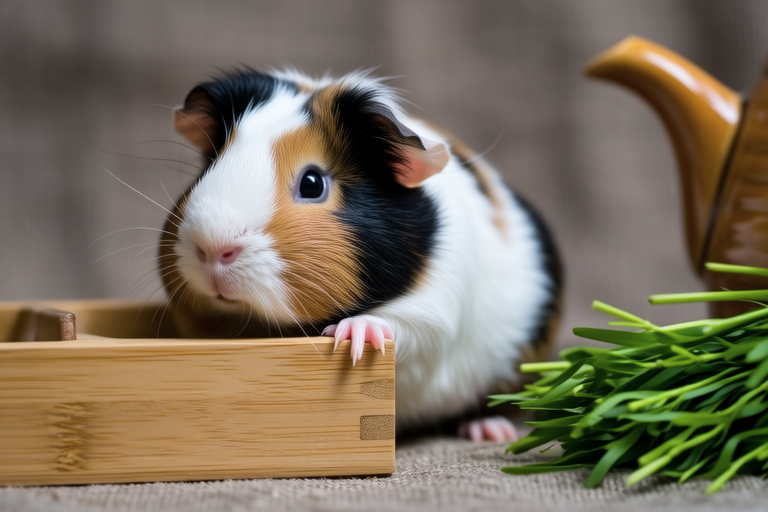
Adorable Guinea Pig Care Tips for First-Time Owners
Welcome to the wonderful world of guinea pig ownership! These charming, sociable rodents are beloved pets for their gentle nature and amusing antics. As a first-time owner, you might be feeling excited yet slightly overwhelmed. Fear not; this guide will provide you with all the essential care tips to ensure your guinea pig leads a happy, healthy life.
Diet: The Key to a Healthy Guinea Pig
Your guinea pig’s diet is crucial for its overall well-being. A balanced diet consists primarily of hay, supplemented by fresh vegetables, pellets, and water. Timothy hay is recommended as it aids digestion and prevents dental issues. Always keep a fresh supply available in a hay rack or feeder.
Vegetables are a delightful addition to your guinea pig’s diet. Dark leafy greens like kale, spinach, and romaine lettuce are nutritious and enjoyable. However, introduce new vegetables gradually to avoid upsetting your pet’s stomach. A common myth is that guinea pigs can eat unlimited amounts of carrots. While carrots are sweet and tasty, they are high in sugar and should be given sparingly.
Pellets specifically formulated for guinea pigs provide necessary nutrients. Choose pellets without added seeds or nuts, as these can cause obesity and dental problems. Fresh water is vital; consider a water bottle with a sipper tube to keep the water clean.
Housing: Creating a Comfortable Home
A spacious, safe habitat is essential for your guinea pig. A cage measuring at least 7.5 square feet per guinea pig is ideal. Wire-bottomed cages are not recommended as they can harm your pet’s feet. Instead, opt for solid flooring with absorbent bedding such as fleece or paper-based products.
Provide hiding spots, tunnels, and chew toys to stimulate your guinea pig’s natural behaviors. Guinea pigs love to explore, so consider creating an enclosed play area within your home. Ensure the space is free from toxic plants and potential hazards.
One of my friends had a guinea pig named Daisy who loved to dig in her play area. She’d spend hours burrowing into soft bedding, making little nests. It was adorable to watch!
Exercise: Keeping Your Guinea Pig Active
Guinea pigs need daily exercise to maintain good physical and mental health. In addition to their play area, supervised time outside their cage encourages exploration and activity. This could be in a bathroom or kitchen where you can control the environment.
Be cautious of small spaces where your guinea pig might get stuck. Always supervise them to prevent accidents. Exercise wheels designed for guinea pigs can be beneficial, but ensure they are large enough (at least 12 inches in diameter) to prevent spinal injuries.
Grooming: Maintaining Your Guinea Pig’s Appearance
Regular grooming keeps your guinea pig looking and feeling great. Brush your guinea pig weekly to remove loose hair and prevent matting. Long-haired breeds may require more frequent brushing.
Baths should be infrequent, usually once every few months. Use a shallow container filled with warm water and gentle pet shampoo. Be sure to rinse thoroughly and dry your guinea pig completely to prevent chills.
Trimming nails is essential to prevent overgrowth and discomfort. Use nail clippers designed for small animals, and be careful not to cut the quick, which contains blood vessels. If unsure, consult a veterinarian or a professional groomer.
Health Care: Ensuring Your Guinea Pig Stays Healthy
Regular veterinary check-ups are vital for early detection of health issues. Common health problems include dental disease, respiratory infections, and bumblefoot. Signs of illness include lethargy, loss of appetite, sneezing, and discharge from the eyes or nose.
Vaccinations are not required for guinea pigs, but spaying or neutering can prevent certain health issues and behavioral problems. Discuss the best options for your pet with your veterinarian.
My neighbor’s guinea pig, Charlie, had a respiratory infection. He was sneezing and less active than usual. After a visit to the vet, he received antibiotics and made a full recovery. Regular check-ups really do make a difference.
Bonding with Your Guinea Pig: Building a Strong Relationship
Building trust and companionship with your guinea pig takes time and patience. Spend quality time together each day, offering treats and gentle handling. Guinea pigs are social creatures and thrive on interaction.
Playtime outside the cage allows for bonding and exploration. Introduce new toys and activities to keep your guinea pig engaged and stimulated. Positive reinforcement, like treats and praise, encourages desirable behaviors.
One of my guinea pigs, Pip, loves to follow me around the house. He’ll come when I call him and even sit on my lap. It’s heartwarming to see how much he enjoys our time together.
Summary of Key Takeaways for New Owners
Raising a guinea pig requires commitment and care, but the rewards are immeasurable. Here are some key takeaways:
- Provide a balanced diet rich in hay, vegetables, and pellets.
- Ensure a spacious, safe habitat with appropriate bedding and toys.
- Offer daily exercise opportunities to promote physical and mental health.
- Maintain good grooming practices to keep your guinea pig clean and comfortable.
- Schedule regular veterinary check-ups and vaccinations.
- Invest time in bonding and building a strong relationship with your pet.
By following these guidelines, you’ll create a nurturing environment for your guinea pig to thrive. Enjoy the journey of learning and growing together!
