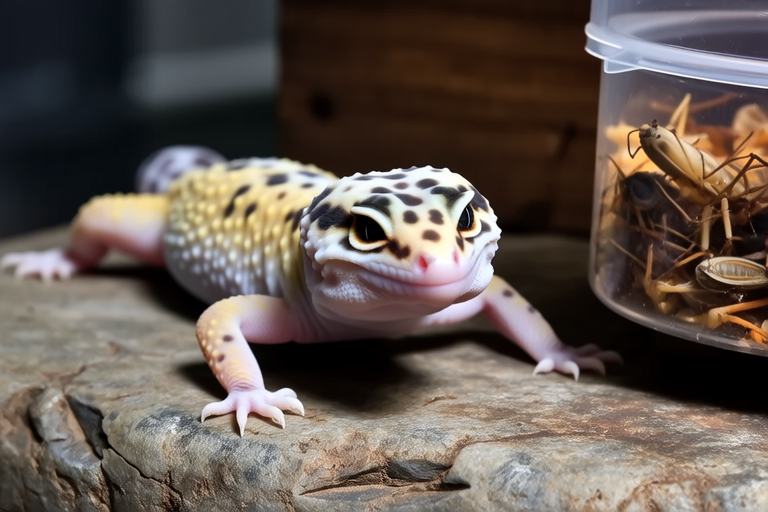
Unveiling the Diet Mysteries Every Leopard Gecko Owner Should Know
Welcome to the fascinating world of leopard geckos! These charming reptiles have become popular pets due to their docile nature, vibrant colors, and relatively easy care requirements. As a responsible owner, understanding the dietary needs of your leopard gecko is crucial for its overall health and longevity. This comprehensive guide will help you navigate through the mysteries of feeding these captivating creatures.
The Basics: Understanding Leopard Gecko Dietary Needs
Leopard geckos are insectivores, meaning their diet primarily consists of live insects. Their nutritional requirements include proteins, fats, vitamins, and minerals. Unlike humans or other omnivorous animals, they cannot produce vitamin D3 endogenously, so they rely on external sources such as UVB light or dietary supplements.
The Importance of Calcium
Calcium plays a pivotal role in maintaining strong bones and proper muscle function in leopard geckos. Insufficient calcium can lead to metabolic bone disease (MBD), which results in weakened bones, difficulty moving, and potentially life-threatening complications. Ensuring that your gecko receives adequate calcium is essential for preventing MBD.
Feeder Insects: Benefits and Risks
Crickets
Crickets are one of the most commonly fed insects to leopard geckos. They provide a good source of protein and can be easily gut-loaded (fed nutritious food before being offered to the gecko) to enhance their nutritional value. However, overfeeding crickets can lead to obesity, as they are high in fat. It’s important to offer crickets in moderation and ensure they are appropriately sized for your gecko.
Mealworms
Mealworms are another staple in many leopard gecko diets. They are rich in fat and protein, making them a great occasional treat. However, mealworms can be tough on a gecko’s digestive system if fed too frequently. Overconsumption may cause impaction, a serious condition where the insect remains undigested in the stomach.
Waxworms
Waxworms are highly nutritious but also very fatty. While they make excellent treats for younger geckos or those recovering from illness, excessive consumption can lead to obesity and related health issues. Waxworms should be used sparingly, typically no more than once a week.
Gut Loading and Dusting: Maximizing Nutrition
Gut loading involves feeding the insects a nutritious diet before offering them to your gecko. This ensures that the insects themselves are rich in essential nutrients, which are then passed onto your pet. Common gut load foods include carrots, sweet potatoes, and leafy greens.
Dusting involves coating the insects with a powdered supplement containing calcium, vitamins, and other essential minerals. This method helps compensate for any deficiencies in the insects’ natural diet. It’s recommended to dust insects every few feedings, ensuring a balanced intake of nutrients.
Busting Feeding Myths and Misconceptions
One common myth is that leopard geckos require live prey at all times. While live prey is beneficial for stimulating natural hunting behaviors, it’s not always necessary. Pre-killed insects can be just as nutritious and reduce the risk of injury to your gecko.
Another misconception is that larger geckos need more frequent feedings. In reality, adult leopard geckos generally require fewer meals compared to juveniles. Overfeeding can lead to obesity, which is detrimental to their health.
Portion Control and Frequency of Feeding
For young leopard geckos (under six months), feeding should occur daily. The number of insects provided depends on the gecko’s size, but typically two to five appropriately sized crickets per day is sufficient.
Adult leopard geckos (over six months) should be fed every other day. The quantity can range from three to six insects, depending on the gecko’s body condition. Monitoring your gecko’s weight and activity level will help determine the appropriate portion size.
Monitoring Your Gecko’s Weight and Adjusting Diet as Necessary
Maintaining a healthy weight is crucial for your leopard gecko’s well-being. Regularly weigh your gecko using a digital scale designed for small animals. A consistent weight indicates that the current diet and feeding schedule are suitable. If you notice significant weight gain or loss, consider adjusting the frequency or amount of food provided.
Consulting with a veterinarian specializing in exotic pets can provide personalized advice tailored to your gecko’s specific needs. They can also perform blood tests to check for nutrient deficiencies or excesses, ensuring that your pet receives optimal care.
In conclusion, understanding the dietary needs of your leopard gecko is vital for its health and happiness. By providing a balanced diet rich in calcium and other essential nutrients, you can help prevent common health issues and promote a long, thriving life for your beloved pet. Stay informed, monitor closely, and enjoy the rewarding experience of caring for these wonderful reptiles.
