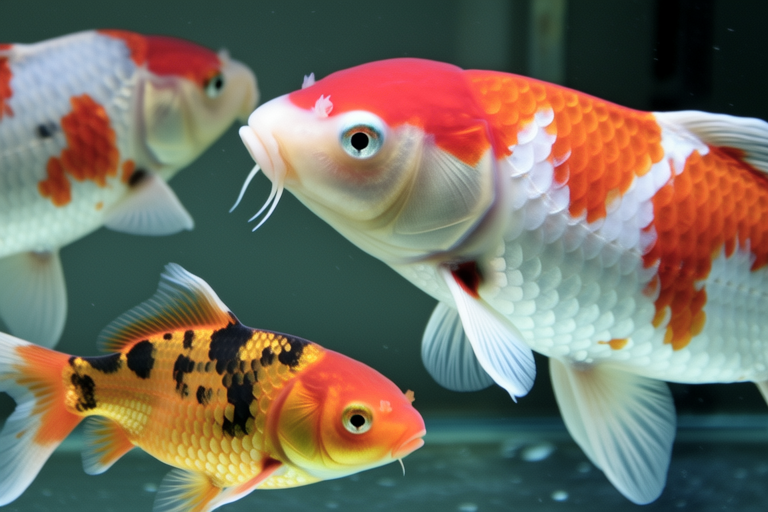
The Growth Stages of Koi Fish: From Tiny Fry to Majestic Adults
Koi fish are a popular choice for many pond owners due to their vibrant colors and graceful movements. These magnificent creatures undergo a fascinating transformation from tiny fry to majestic scaled adults. Understanding the different growth stages of koi fish can help pond owners provide the best care for these aquatic beauties. This article will guide you through the various stages of a koi’s life, highlighting their physical development, behavioral changes, and care requirements.
Stage 1: The Fry Stage (0-3 Months)
The first stage of a koi fish’s life begins as a tiny fry. At birth, koi fry are barely visible to the naked eye, measuring only about 1/8 inch long. Their bodies are translucent, making them difficult to distinguish from their surroundings. They are born with a yolk sac that provides them with nutrients for the first few days of life. During this time, they remain close to the surface, where they can easily access oxygen.
As the fry grow, their physical appearance begins to change. Their scales start to develop, and their colors begin to emerge. Initially, the fry may appear monochromatic, but over time, distinct patterns and hues become more apparent. By the end of the first month, the fry will have grown to about 1 inch in length. Their eyes become more pronounced, and their bodies take on a more recognizable koi shape.
Behaviorally, koi fry are quite timid and tend to stay in groups for safety. They are highly sensitive to their environment and can be easily stressed by sudden movements or changes in water conditions. It is crucial to maintain a stable and clean environment for the fry to thrive. Water temperature should be kept between 68°F and 72°F, and regular water changes should be performed to ensure optimal water quality.
Care for koi fry requires careful attention to detail. A shallow, protected area of the pond is ideal for their initial development. This area should be free from predators such as birds, larger fish, and even some insects. Feeding the fry is also essential during this stage. High-protein foods like infusoria or commercial fry food are recommended to support their rapid growth. As the fry grow, they can be gradually introduced to more substantial foods, such as finely ground pellets or brine shrimp.
Stage 2: Juvenile Stage (3-12 Months)
Once koi fish reach the juvenile stage, they have grown significantly, now measuring around 4-6 inches in length. Their colors and patterns continue to develop, and their scales become more prominent. The juvenile stage is marked by a noticeable increase in activity and exploration. Juveniles are more curious and adventurous than fry, often venturing away from their initial hiding spots to explore their surroundings.
During this stage, koi fish become more social and may form small groups. They enjoy swimming together, which can be a delightful sight for pond owners. Their feeding habits also change, as they can now consume larger pieces of food. Juvenile koi require a balanced diet rich in proteins, fats, and carbohydrates. High-quality koi pellets or flakes are suitable for this age group. Additionally, supplementing their diet with fresh vegetables, such as zucchini or spinach, can provide essential vitamins and minerals.
Water quality remains critical during the juvenile stage. Regular water testing and maintenance are necessary to ensure the health of the fish. Ammonia and nitrite levels should be monitored closely, as high concentrations can be harmful to young koi. A properly functioning filtration system is essential for maintaining clean and healthy water. Regular water changes, typically 10-20% per week, help to remove toxins and replenish oxygen levels.
Pond owners should also consider providing additional shelter and hiding spots for the juveniles. Floating plants, artificial caves, or submerged rocks can offer refuge and reduce stress. As koi grow, their need for space increases, so it is important to ensure that the pond has ample room for them to swim freely. A well-planned pond layout with varying depths and structures can enhance the overall environment for the koi.
Stage 3: Young Adult Stage (1-3 Years)
The young adult stage marks a significant milestone in a koi’s life. By this point, the fish have reached approximately 12-18 inches in length. Their colors and patterns have fully developed, showcasing the unique beauty of each individual. The scales on their bodies are now large and shiny, reflecting light in mesmerizing ways. The koi’s graceful movements become more pronounced, and watching them swim can be a truly captivating experience.
Behaviorally, young adult koi are more independent and confident. They no longer rely solely on their peers for protection and may venture further into the pond. Their social interactions become more complex, and they may establish dominance hierarchies within the group. Pond owners may observe playful behaviors, such as chasing each other or leaping out of the water, especially during feeding times.
Feeding young adult koi requires a diet that supports their continued growth and health. A high-quality, nutrient-rich food is essential during this stage. Look for pellets that contain a balance of proteins, fats, and carbohydrates, along with vitamins and minerals. Some pond owners prefer to feed their koi a variety of foods, including fresh vegetables, fruits, and occasional treats like cooked peas or prawns. However, it is important to avoid overfeeding, as excess food can lead to poor water quality and health issues.
Maintaining optimal water quality remains a priority during the young adult stage. Regular water testing and maintenance are crucial to ensure the health and longevity of the koi. Water parameters such as pH, ammonia, nitrite, and nitrate levels should be monitored regularly. A well-functioning filtration system is vital for removing waste and debris, while beneficial bacteria help to break down harmful substances. Regular water changes, typically 10-20% per week, help to maintain clean and healthy water.
Providing adequate space and enrichment is also important for young adult koi. A spacious pond with a variety of depths, structures, and plants can stimulate their natural behaviors and promote mental and physical well-being. Consider adding features such as waterfalls, fountains, or floating islands to create a dynamic and engaging environment. Proper lighting can also enhance the viewing experience, allowing pond owners to admire their koi in all their splendor.
Stage 4: Mature Adult Stage (3+ Years)
The mature adult stage is when koi fish reach their full potential, both physically and aesthetically. At this stage, koi can measure up to 24-36 inches in length, depending on the breed and genetics. Their colors and patterns are at their most vibrant, and their scales are large and reflective. The mature adult koi are true works of art, with each fish displaying its own unique beauty.
Behaviorally, mature adult koi are calm and confident. They have established their place within the pond and are less likely to engage in aggressive behaviors. Their swimming patterns become more fluid and graceful, and they often gather in specific areas of the pond for feeding or resting. Pond owners may notice that mature koi have a routine, returning to familiar spots at certain times of the day.
Feeding mature adult koi requires a diet that promotes health and longevity. A high-quality, nutrient-rich food is essential during this stage. Look for pellets that contain a balance of proteins, fats, and carbohydrates, along with vitamins and minerals. Some pond owners prefer to feed their koi a variety of foods, including fresh vegetables, fruits, and occasional treats like cooked peas or prawns. However, it is important to avoid overfeeding, as excess food can lead to poor water quality and health issues.
Maintaining optimal water quality remains a priority during the mature adult stage. Regular water testing and maintenance are crucial to ensure the health and longevity of the koi. Water parameters such as pH, ammonia, nitrite, and nitrate levels should be monitored regularly. A well-functioning filtration system is vital for removing waste and debris, while beneficial bacteria help to break down harmful substances. Regular water changes, typically 10-20% per week, help to maintain clean and healthy water.
Providing adequate space and enrichment is also important for mature adult koi. A spacious pond with a variety of depths, structures, and plants can stimulate their natural behaviors and promote mental and physical well-being. Consider adding features such as waterfalls, fountains, or floating islands to create a dynamic and engaging environment. Proper lighting can also enhance the viewing experience, allowing pond owners to admire their koi in all their splendor.
Tips for Keeping Koi Fish
Keeping koi fish requires dedication and commitment. Here are some tips to help ensure the health and happiness of your koi:
- Proper Filtration: Invest in a high-quality filtration system to maintain clean and healthy water.
- Regular Water Changes: Perform regular water changes to remove toxins and replenish oxygen levels.
- Healthy Diet: Provide a balanced and nutritious diet to support the growth and health of your koi.
- Adequate Space: Ensure that your pond has enough space for your koi to swim freely and comfortably.
- Shelter and Enrichment: Provide hiding spots and enrichment features to stimulate their natural behaviors.
- Monitoring Water Quality: Regularly test water parameters to ensure optimal conditions for your koi.
By following these guidelines and providing the best possible care, you can enjoy the beauty and grace of koi fish throughout their entire lifecycle. Watching these magnificent creatures grow and thrive in your pond is a rewarding and enriching experience.
