Adventures with Bengals: Tips for Living with This Exotic Breed
The Bengal cat is one of the most popular and intriguing breeds in the world today. Known for their striking appearance and unique personality, these felines have captured the hearts of many cat lovers. With their sleek coats and wild looks, Bengal cats are often mistaken for small leopards, but they are purebred domestic animals that make wonderful companions. In this article, we will explore the origins, appearance, and temperament of Bengal cats, as well as provide practical tips on how to care for them and enjoy their company.
The Origins and Appearance of Bengal Cats
Bengal cats originated from the crossbreeding of domestic cats with Asian leopard cats. The goal was to create a cat with the exotic appearance of a wild animal while maintaining the friendly and affectionate nature of a domestic pet. Jean Mill, an American breeder, is credited with developing the Bengal breed in the 1960s. She aimed to produce a cat with a beautiful spotted coat and a gentle demeanor, which she achieved through careful breeding over several generations.
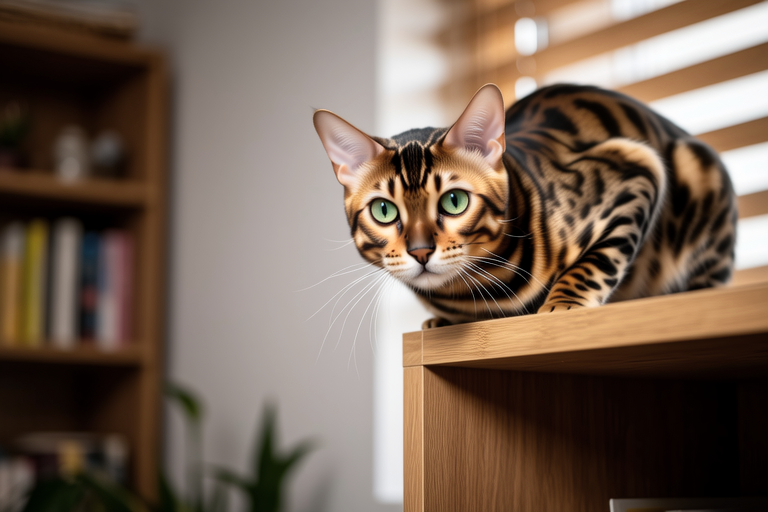
Bengals are known for their stunning coats, which can be either spotted or marbled. Their fur is typically short and thick, with a soft, plush texture. The spots or marbling are usually brown, black, or silver, providing a striking contrast against their golden or ivory backgrounds. These markings give them a wild look, making them stand out among other domestic cats. Additionally, Bengals have large, expressive eyes that add to their charm and appeal.
Temperament and Personality
Bengal cats are intelligent, playful, and highly energetic. They are curious creatures that love to explore their surroundings and engage in interactive play. Their intelligence makes them easy to train, and they can learn tricks and commands with relative ease. However, their high energy levels require owners to provide ample opportunities for physical and mental stimulation.
Despite their wild appearance, Bengals are generally friendly and social. They enjoy the company of humans and can form strong bonds with their owners. While they may be more independent than some other breeds, Bengals still seek attention and affection. They are also known to get along well with children and other pets when properly introduced.
Dietary Needs and Exercise Requirements
Like all cats, Bengal cats require a balanced diet rich in protein, fat, and essential nutrients. High-quality commercial cat food formulated for their age and activity level is usually sufficient. It is important to avoid feeding them human food, as it can cause digestive issues or lead to obesity. Fresh water should always be available to keep them hydrated.
Bengals are very active and need plenty of exercise to maintain their health and happiness. Providing them with toys that encourage running, jumping, and climbing is essential. Interactive play sessions with their owners can help satisfy their need for mental stimulation. Puzzle feeders are also a great way to engage their minds and keep them entertained between meals.
Grooming and Health Considerations
Bengals have short, dense coats that require minimal grooming. Regular brushing once a week helps remove loose hair and prevents matting. Bathing is rarely necessary unless the cat gets particularly dirty. However, due to their active lifestyle, Bengals tend to shed less than long-haired breeds.
Regular veterinary check-ups are crucial to ensure your Bengal remains healthy. Like other breeds, Bengals are susceptible to certain health conditions, such as hypertrophic cardiomyopathy (HCM) and progressive retinal atrophy (PRA). Early detection and treatment of these conditions can improve the quality of life for affected cats. Vaccinations and parasite prevention are also important aspects of their healthcare routine.
Creating a Stimulating Environment
Bengal cats are known for their high energy levels and curiosity. To keep them happy and engaged, it is essential to create an environment that meets their needs. Providing access to tall scratching posts, climbing trees, and tunnels can help satisfy their urge to climb and explore. Interactive toys that simulate hunting, such as feather wands or laser pointers, can also provide mental stimulation.
In addition to physical activities, Bengals benefit from mental challenges. Puzzle toys that dispense treats or require manipulation to access hidden compartments can keep their minds sharp. Rotating toys regularly ensures they remain interesting and exciting. Providing safe outdoor access, if possible, can also allow Bengals to experience new sights and smells.
Training and Bonding with Your Bengal
Bengal cats are intelligent and trainable, making them excellent candidates for positive reinforcement training. Using treats and praise, you can teach them simple commands or tricks. Clicker training is a popular method that involves using a clicker to mark desired behaviors and then rewarding the cat with a treat. This approach helps build a strong bond between owner and cat.
Bonding with your Bengal cat requires patience, consistency, and understanding. Spend time playing and interacting with them daily to strengthen your relationship. Bengals thrive on attention and affection, so make sure to set aside dedicated playtime. Grooming sessions can also be a great opportunity to bond, as they enjoy being petted and brushed.
Personal Stories and Anecdotes
Living with a Bengal cat can be both rewarding and challenging. One owner shared that her Bengal, named Luna, has a habit of opening cabinet doors and raiding the pantry. While this behavior can be frustrating, it also demonstrates Luna’s cleverness and curiosity. To prevent similar incidents, the owner installed childproof locks on cabinets and provided Luna with alternative outlets for her exploratory instincts.
Another owner recounted how his Bengal, Max, became an expert at opening windows. After several close calls, he invested in window guards to ensure Max’s safety. Despite these challenges, both owners expressed their deep affection for their Bengals and emphasized the joy they bring into their lives.
Bengal cats are truly remarkable companions that offer a unique blend of beauty, intelligence, and playfulness. By understanding their needs and providing proper care, you can enjoy a fulfilling and enriching relationship with your Bengal cat. Whether you’re an experienced cat owner or considering adopting a Bengal for the first time, these tips will help you create a happy and healthy home for your exotic feline friend.
