Meet the Acrobats of Your Neighborhood: Fun Facts About Squirrels
Welcome to your neighborhood’s hidden world of acrobatics! If you’ve ever marveled at the lightning-fast leaps of a squirrel darting between trees or watched in awe as one gracefully descends headfirst down a trunk, then you’re already acquainted with these fascinating creatures. Squirrels, those ubiquitous, bushy-tailed rodents, are more than just backyard visitors; they are the acrobats of your neighborhood, each day performing feats that would make any circus performer envious. Let’s delve into the lives of these remarkable animals, uncovering some fun facts that will surely spark your curiosity and deepen your appreciation for these nimble neighbors.
The Nutty Diet of Squirrels
Squirrels are primarily herbivores, but their diet is quite diverse. They feast on nuts, seeds, fruits, and even tree bark when other food sources are scarce. In autumn, you might notice them busily collecting and burying acorns and walnuts, preparing for the colder months ahead. This behavior, known as scatter hoarding, ensures that they have a stash of food to sustain them through winter. Each squirrel can store hundreds of nuts, sometimes forgetting where they’ve hidden some, which inadvertently aids in forest regeneration. Imagine, every time you see a new tree sprouting in your garden, it could be thanks to a forgetful squirrel!
Habitat Preferences
While squirrels are often associated with urban environments, they are equally at home in forests, parks, and suburban areas. Their preference for habitats varies based on species and availability of resources. The Eastern Gray Squirrel, for instance, thrives in deciduous forests, while the Fox Squirrel prefers open woodlands. In urban settings, they find ample nesting spots in tree cavities or birdhouses and enjoy the abundance of food provided by bird feeders. Despite the hustle and bustle of city life, squirrels manage to carve out their niches, proving that adaptability is key to survival.
Communication and Behavior
Like many social animals, squirrels communicate using a variety of vocalizations and body language. They emit high-pitched chirps and barks to warn others of potential threats or to mark territory. Interestingly, they also use tail flicks and postures to convey messages. For example, a raised tail might signal agitation or alarm. These communication methods help squirrels maintain social bonds and avoid conflicts within their community. Additionally, they exhibit territorial behavior, especially during mating seasons, when males engage in chases and fights to secure mates.
Physical Adaptations for Agility
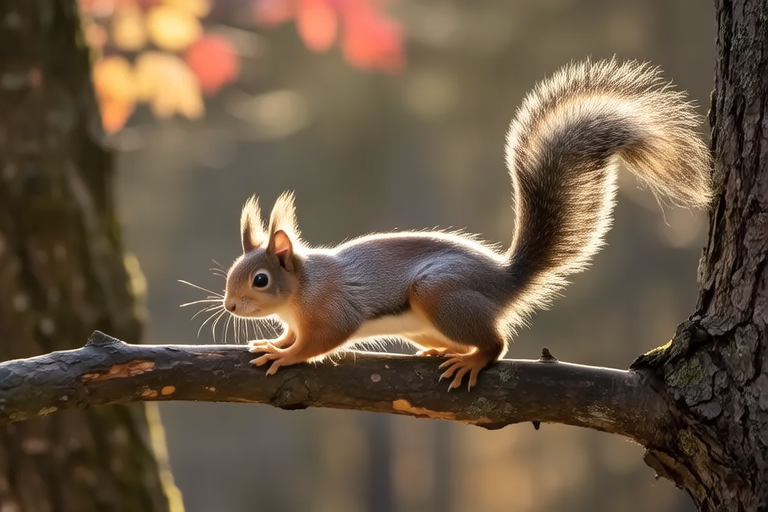
The physical attributes of squirrels are perfectly suited for their acrobatic lifestyle. Their long, muscular hind legs allow them to leap great distances, up to 10 feet in a single bound. Their strong claws provide excellent grip on tree trunks and branches, enabling them to climb effortlessly. Squirrels also possess sharp eyesight and hearing, which are crucial for spotting predators and navigating their surroundings. Their tails, aside from being a communication tool, serve as a balance aid, helping them maintain stability while running along narrow branches. It’s like having a built-in rudder, ensuring that they stay on course even when moving at top speed.
Unique Local Behaviors and Species
Depending on your location, you might encounter different species of squirrels, each with its own quirks. In North America, the Red Squirrel is known for its territoriality and loud, piercing calls. Meanwhile, the Flying Squirrel, though not truly capable of flight, uses a membrane called the patagium to glide from tree to tree. These glides can span up to 30 meters, making them appear as if they are flying through the night sky. Observing these unique behaviors can add a layer of excitement to your daily interactions with squirrels.
Safe Observation Tips
Observing squirrels in their natural environment can be both rewarding and educational. To ensure a safe and enjoyable experience, follow these tips:
- Respect Their Space: While squirrels are accustomed to human presence, it’s important to give them their personal space. Avoid approaching too closely or attempting to handle them.
- Use Binoculars: For a closer look, consider using binoculars or a camera with a zoom lens. This allows you to observe without disturbing the animals.
- Observe Quietly: Loud noises can startle squirrels, causing them to flee. Maintain a calm demeanor and move slowly to minimize disruptions.
- Provide Natural Food Sources: Instead of feeding them directly, plant native trees and shrubs that produce nuts, seeds, and fruits. This encourages squirrels to forage naturally, supporting their health and the ecosystem.
- Avoid Harmful Interactions: Never use traps or poisons to deal with squirrels. Instead, try humane deterrents like motion-activated sprinklers or scent-based repellents.
In conclusion, squirrels are not just charming additions to our neighborhoods; they are vital components of the ecosystem. By understanding their habits and needs, we can foster a harmonious relationship with these delightful acrobats. So next time you spot a squirrel, take a moment to appreciate its agility, intelligence, and resilience. Remember, these little creatures are more than just backyard visitors—they are nature’s own performers, ready to entertain and educate us at every turn.
