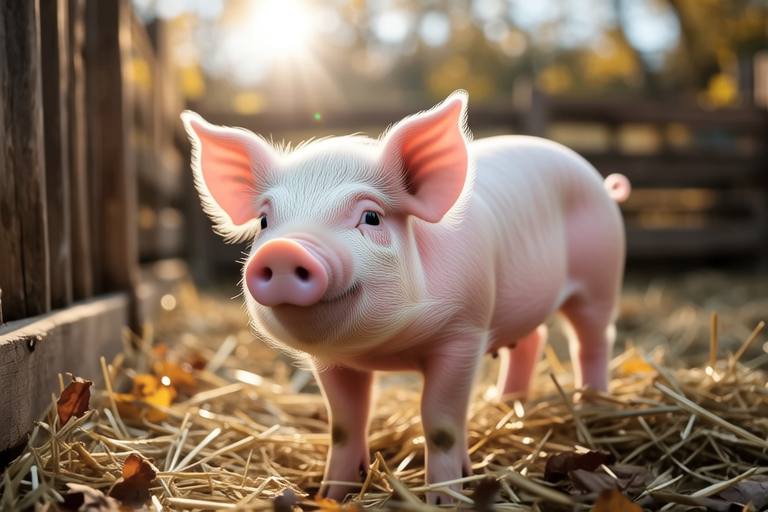
Why Oh Why? Inside the Growing Trend of Keeping Mini Pigs as Pet Companions
In recent years, mini pigs have emerged as a popular choice among pet owners, captivating hearts and homes across the globe. These intelligent, affectionate creatures are no longer just farm animals; they’re becoming beloved family members. As urban living trends evolve and social media platforms proliferate, the appeal of mini pigs as pet companions continues to grow.
The Rise of Mini Pigs as Household Pets
Mini pigs, also known as teacup, micro, or pot-bellied pigs, have gained significant attention in the pet industry. Their small size, compared to traditional farm pigs, makes them more manageable for city dwellers. Unlike their larger counterparts, these pint-sized porcines can thrive in smaller living spaces, making them ideal for apartment life. The demand for mini pigs has surged, with many breeders and rescue organizations struggling to meet the increasing demand.
Unique Characteristics That Make Mini Pigs Appealing Companions
One of the most endearing qualities of mini pigs is their high level of intelligence. They possess problem-solving abilities comparable to those of dogs and can be trained to perform various tricks and commands. This trainability extends beyond basic obedience; some owners report teaching their pigs to use litter boxes and even walk on leashes. Their cognitive skills make them engaging playmates and responsive to human interaction.
Besides their smarts, mini pigs are incredibly affectionate. They form strong bonds with their owners, seeking out physical contact and companionship. Many owners describe their pigs as “velcro pigs” due to their tendency to follow their humans around the house. This loyalty and attachment create a deep emotional connection between owner and pet, fostering a sense of belonging and security.
Reasons Behind the Trend: Urban Living Trends and Social Media Influence
The rise of mini pigs as pets is closely linked to changing urban living conditions. As cities expand and open spaces shrink, people are increasingly drawn to pets that can adapt to smaller environments. Mini pigs offer an alternative to traditional pets like cats and dogs, providing a unique option for city-dwelling animal lovers.
Social media has played a pivotal role in popularizing mini pigs. Platforms like Instagram, TikTok, and YouTube showcase the playful and charming antics of these animals, attracting millions of followers. Viral videos featuring mini pigs performing tricks or cuddling with their owners have sparked interest and curiosity among potential pet owners. Celebrities and influencers adopting mini pigs further elevate their status as desirable companions.
Common Misconceptions About Keeping Mini Pigs as Pets
Despite their growing popularity, there are several misconceptions surrounding mini pigs as pets. One of the most prevalent myths is that all mini pigs remain small throughout their lives. In reality, while some breeds may stay relatively small, others can reach weights of up to 150 pounds. It’s crucial for prospective owners to research the specific breed they’re interested in to understand its potential size.
Another misconception is that mini pigs are low-maintenance pets. While they don’t require daily walks or extensive grooming like dogs, they still need proper nutrition, mental stimulation, and regular veterinary care. Providing a balanced diet and ensuring adequate exercise are essential for maintaining their health and well-being.
Responsibilities Involved in Owning a Mini Pig
Before bringing a mini pig into your home, it’s important to consider the responsibilities associated with their care. Proper diet is paramount, as overfeeding can lead to obesity and related health issues. Owners should consult with veterinarians to determine the appropriate amount of food based on their pig’s age, weight, and activity level.
Space requirements vary depending on the size of the pig and its living environment. While some mini pigs can adapt to apartment living, others may benefit from outdoor access or a dedicated indoor area. Ensuring sufficient space for movement and enrichment activities is vital for their physical and mental health.
Legal considerations also play a significant role in owning a mini pig. Some cities and towns have restrictions on exotic pets, including mini pigs. Prospective owners should check local regulations to ensure compliance and avoid potential fines or confiscations. Additionally, obtaining proper identification, such as microchipping, is recommended for tracking purposes and ensuring the pig’s safety.
Real-Life Stories and Expert Opinions
Stories from experienced mini pig owners highlight both the joys and challenges of raising these unique animals. Sarah, a mini pig owner from New York City, shares her experience: “Bringing home my mini pig, Daisy, was one of the best decisions I’ve ever made. She’s incredibly smart and loves to learn new tricks. However, it took time to establish routines and boundaries. Consistency is key when training her.”
Dr. Emily Johnson, a veterinarian specializing in exotic animals, emphasizes the importance of responsible ownership: “Mini pigs can be wonderful companions, but they require commitment and understanding. Owners must be prepared for long-term care and invest in their pig’s well-being. Regular visits to a vet who understands pig physiology are essential for preventing and addressing health issues.”
Another owner, John from Los Angeles, reflects on his journey with his mini pig, Charlie: “Charlie has brought so much joy to our family. His curious nature keeps us entertained, and he’s always eager to participate in family activities. However, we had to adjust our expectations regarding his behavior. Patience and positive reinforcement have been instrumental in shaping his habits.”
Conclusion
The growing trend of keeping mini pigs as pet companions reflects the evolving relationship between humans and animals. These intelligent, affectionate creatures offer a unique blend of companionship and challenge, appealing to a wide range of pet enthusiasts. By understanding the responsibilities involved and addressing common misconceptions, prospective owners can ensure a rewarding and fulfilling experience with their mini pig. As the trend continues to grow, it’s essential to prioritize the well-being of these animals and promote responsible ownership practices.
