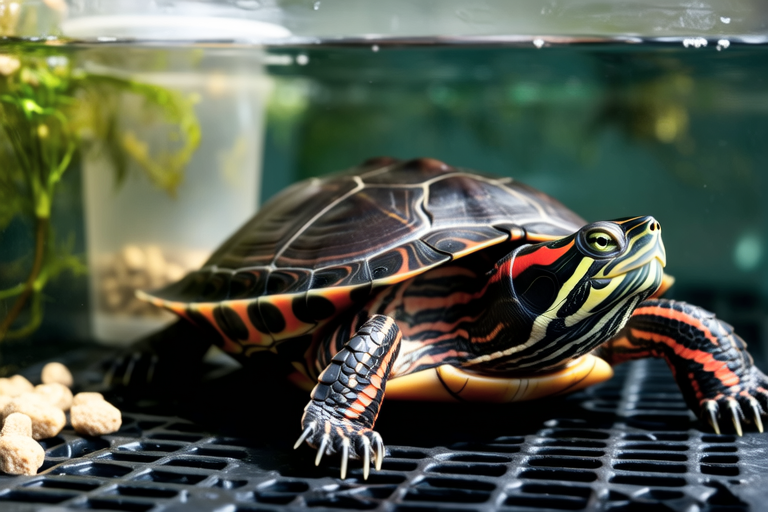
Red-eared Slider Care: Myths vs. Facts
The red-eared slider (Trachemys scripta elegans) is one of the most popular turtle species kept as pets worldwide. Their vibrant colors, relatively manageable size, and engaging behavior have made them a favorite among reptile enthusiasts. However, owning a red-eared slider comes with significant responsibilities, and there are many misconceptions surrounding their care requirements. This article aims to dispel some of these myths while providing factual information based on scientific evidence and expert advice.
Myth 1: Red-eared Sliders Don’t Require Much Space
One common myth is that red-eared sliders can thrive in small aquariums or bowls. While it’s true that hatchlings may start off small, they grow rapidly and require ample space as they mature. A general rule of thumb is to provide at least 10 gallons of water per inch of shell length for juvenile turtles. As they grow, this requirement increases dramatically. For an adult red-eared slider, a tank size of around 84 inches long by 36 inches wide by 18 inches deep (75 gallons) is recommended.
Facts:
- Red-eared sliders are semi-aquatic, meaning they spend part of their time in water and part on land. An appropriate habitat must accommodate both environments.
- Insufficient space can lead to stress, stunted growth, and increased susceptibility to diseases.
- Experts recommend using a large, well-filtered aquarium or a custom-built pond-like enclosure to ensure adequate swimming room and proper water quality.
Myth 2: Tap Water Is Safe for Red-eared Sliders
Another prevalent misconception is that tap water is suitable for red-eared sliders without any treatment. Tap water often contains chlorine, chloramines, heavy metals, and other harmful substances that can be toxic to these turtles.
Facts:
- Red-eared sliders are sensitive to poor water quality, which can cause shell rot, respiratory infections, and other serious health issues.
- It’s crucial to use dechlorinated or distilled water for their habitats. Products like dechlorinating tablets or filters can effectively remove harmful chemicals.
- Maintaining clean, stable water conditions through regular water changes and filtration systems is essential for their well-being.
Myth 3: Red-eared Sliders Can Eat Anything
Many people believe that red-eared sliders will eat almost anything, leading to improper feeding practices. While these turtles are omnivorous, their diet should be carefully balanced to meet their nutritional needs.
Facts:
- A healthy diet consists of a mix of commercial turtle pellets, leafy greens, vegetables, fruits, and occasional live foods like earthworms or mealworms.
- Feeding too much protein-rich food can lead to liver problems and shell deformities. Conversely, an excess of vegetation can cause metabolic bone disease due to calcium deficiency.
- Supplemental vitamins and minerals, particularly calcium, should be provided regularly to prevent deficiencies.
Myth 4: Red-eared Sliders Don’t Need UVB Lighting
Some owners mistakenly think that red-eared sliders can obtain sufficient vitamin D3 from their diet alone. However, exposure to UVB light is critical for synthesizing vitamin D3, which helps in calcium absorption and prevents metabolic bone disease.
Facts:
- UVB lighting should be provided for 10-12 hours daily. The bulbs should be positioned within 12-18 inches above the basking area.
- Direct sunlight is ideal but not always feasible indoors. Therefore, investing in high-quality UVB lamps designed for reptiles is necessary.
- Regularly checking and replacing UVB bulbs according to manufacturer recommendations ensures consistent UVB output.
Myth 5: Red-eared Sliders Are Low-Maintenance Pets
Contrary to popular belief, red-eared sliders demand consistent care and attention. Maintaining optimal environmental conditions, monitoring health, and addressing behavioral changes are all part of responsible pet ownership.
Facts:
- Regular cleaning of the enclosure, including water changes and substrate replacement, is vital to prevent bacterial and fungal growth.
- Annual veterinary check-ups help detect potential health issues early. Veterinarians specializing in exotic animals can offer valuable guidance.
- Providing mental stimulation through enrichment activities, such as floating toys or hiding spots, enhances their overall quality of life.
Practical Tips for Responsible Ownership
Owning a red-eared slider involves more than just providing basic shelter and food. Here are some practical tips:
- Research thoroughly: Before acquiring a red-eared slider, learn about their specific needs and commit to meeting them.
- Choose reputable sources: Purchase from breeders or shelters known for ethical practices to avoid supporting illegal wildlife trade.
- Prepare adequately: Set up a suitable habitat well before bringing your new pet home to minimize stress during acclimation.
- Be patient: Allow time for your turtle to adjust to its new environment and establish a routine.
Conclusion
Owning a red-eared slider can be a rewarding experience when approached with knowledge and responsibility. By understanding and addressing common myths about their care, you can ensure your turtle leads a healthy, happy life. Remember, proper husbandry starts with accurate information and continues through ongoing education and dedication.
If you’re considering adding a red-eared slider to your family or already own one, exploring additional resources can further enhance your capabilities as a caregiver. Books, online forums, and local reptile clubs provide valuable insights and support networks.
