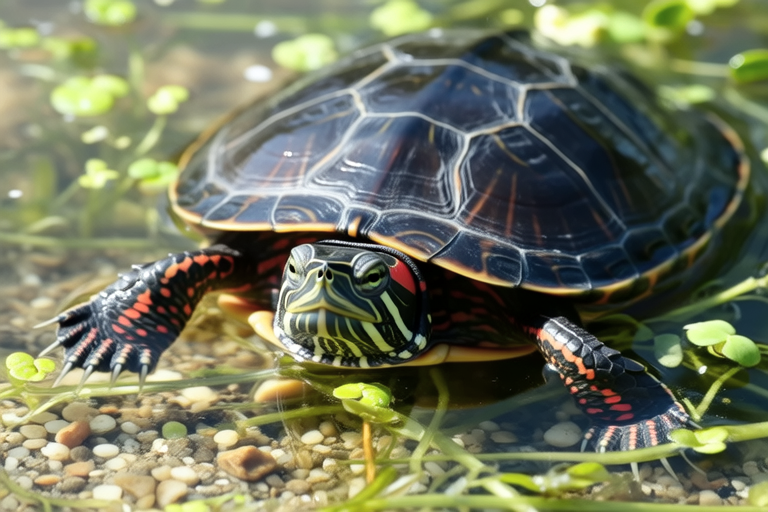
Red-eared Slider Diet Decoded: Feeding Tips for Optimal Health
The importance of proper nutrition for red-eared sliders cannot be overstated. These aquatic turtles, native to the southeastern United States, have specific dietary needs that must be met to ensure their health and longevity. A well-balanced diet supports not only their physical growth but also their overall well-being, including immune function and shell health. This article will delve into the nutritional requirements of red-eared sliders, suitable food options, feeding frequency and portion sizes, common feeding mistakes, and tips for maintaining water quality.
Nutritional Requirements
Red-eared sliders require a balanced diet rich in proteins, vitamins, minerals, and fiber. Proteins are crucial for muscle development and repair, while vitamins and minerals support various bodily functions. Fiber aids in digestion and prevents constipation. Calcium and vitamin D3 are particularly important for shell and bone health. The diet should mimic what they would eat in the wild, which includes a mix of animal-based proteins and plant matter.
Suitable Food Options
Commercial Turtle Pellets
Commercially available turtle pellets are a convenient and balanced option, formulated to meet the nutritional needs of red-eared sliders. They should form the core of the diet, providing essential nutrients in a consistent manner. Look for high-quality brands that list whole fish or other animal products as primary ingredients. Avoid those with excessive fillers like corn or wheat.
Fresh Vegetables and Fruits
Fresh vegetables and fruits can supplement the diet, providing additional vitamins and minerals. Suitable vegetables include romaine lettuce, dandelion greens, and green beans. Occasional fruits like strawberries and blueberries are acceptable but should be limited due to their sugar content. It’s important to introduce new foods gradually to prevent digestive issues.
Live or Frozen Feeder Insects
Live or frozen feeder insects can be offered as treats, especially for younger turtles. Crickets, earthworms, and mealworms provide protein and can stimulate natural hunting behaviors. However, these should be fed sparingly, as overfeeding can lead to obesity.
Feeding Frequency and Portion Sizes
Hatchlings
Hatchlings require more frequent feedings compared to adults, usually twice daily. Their portions should be small, about the size of their head, to prevent overeating and associated health problems. As they grow, the frequency can decrease to once daily.
Juveniles
Juveniles, typically between 6 months and 2 years old, should be fed daily. Their portions should be slightly larger than hatchlings, around the size of their entire body. This ensures they receive adequate nutrition for growth.
Adults
Adult red-eared sliders generally need to be fed every other day. Their portions should be about one-third of their body size. Overfeeding can lead to obesity and metabolic bone disease.
Common Feeding Mistakes to Avoid
Overfeeding is a common mistake among turtle owners. Excessive food intake can lead to obesity, which increases the risk of heart disease and reduces lifespan. Another mistake is feeding inappropriate foods, such as bread or processed human foods, which lack essential nutrients and can cause digestive issues. Additionally, failing to provide a varied diet can result in nutrient deficiencies.
Maintaining Water Quality and Hygiene
Water quality is critical for the health of red-eared sliders. Uneaten food left in the water can degrade, leading to bacterial growth and ammonia spikes. Regular water changes and the use of a good filter system are essential. Cleaning the tank after each feeding helps maintain optimal water conditions. Additionally, ensuring that the food is fully consumed during feeding times can prevent contamination of the water.
Conclusion
Proper nutrition is fundamental to the health and longevity of red-eared sliders. By understanding their nutritional requirements and providing a balanced diet, you can ensure your pet turtle thrives. Remember to tailor feeding practices to the age and size of your turtle, avoid common feeding mistakes, and maintain excellent water quality. With these guidelines, you’ll be well-equipped to provide the best care for your red-eared slider, fostering a healthy and vibrant companion.
