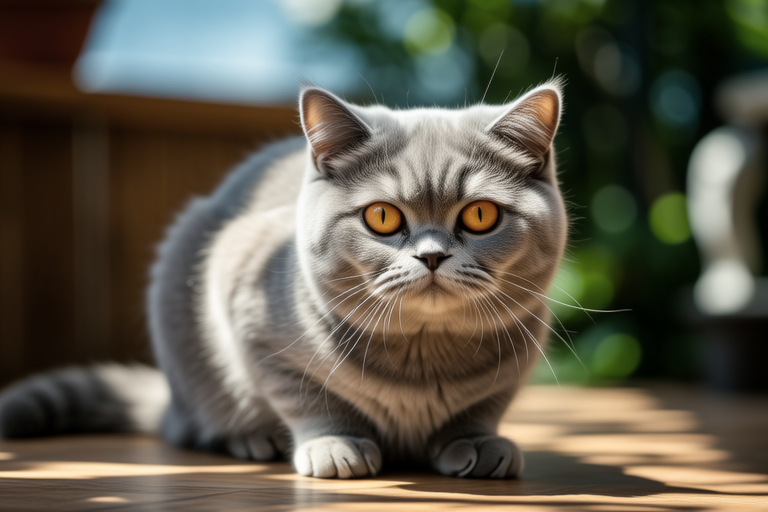
Meet the Munchkin: The Cat with Tiny Yet Mighty Legs
The Munchkin cat is a unique and captivating breed known for its exceptionally short legs. These felines have captured the hearts of many with their distinctive appearance and delightful personalities. This article delves into the fascinating world of Munchkins, exploring their physical traits, temperament, health considerations, and the misconceptions surrounding them. We will also trace their history and share heartwarming stories that highlight their adaptability and charm.
Physical Characteristics: A Glimpse into Their Unique Anatomy
The most striking feature of the Munchkin cat is undoubtedly its unusually short legs. The result of a naturally occurring genetic mutation, this trait was first observed in Louisiana in the 1980s. The gene responsible for this condition is dominant, meaning that even one copy can lead to the characteristic short-legged appearance. However, not all Munchkins have extremely short legs; some may have longer legs, making them look like regular domestic shorthair cats.
Munchkins come in various coat lengths, including short-haired and long-haired varieties. Their coats can be solid colors, tabby patterns, or spotted patterns, adding to their aesthetic appeal. Despite their diminutive stature, Munchkins maintain a sturdy and well-proportioned body. They have large, round eyes that give them an endearing expression, and their ears are set high on their heads, enhancing their alertness.
These cats are surprisingly agile and quick despite their shorter legs. They can jump impressively high and run at surprising speeds. Their unique gait has been likened to that of a rabbit or a corgi, adding to their playful and whimsical nature.
Temperament: Friendly and Affectionate Companions
Munchkins are renowned for their friendly and affectionate demeanor. They thrive on human interaction and are often found seeking attention from their owners. These cats are highly social and enjoy being part of family activities. They are generally good with children and other pets, making them excellent companions for households with multiple animals.
Curiosity is another defining trait of Munchkins. They love to explore their surroundings and investigate new objects. Their playful nature makes them ideal playmates for both adults and children. Munchkins are also known for their gentle and calm disposition, which contributes to their popularity as therapy cats.
Health Considerations: Navigating Challenges with Care
While Munchkins are generally healthy, there are certain health issues associated with their unique leg structure. One of the most common concerns is lordosis, a condition where the spine curves inward. This can sometimes lead to breathing difficulties or digestive problems. Another issue is pectus excavatum, a chest deformity that can affect the heart and lungs. Regular veterinary check-ups are essential to monitor these conditions and provide timely interventions if necessary.
Despite these challenges, many Munchkins live long and healthy lives. Proper care, including a balanced diet, regular exercise, and routine veterinary visits, can help ensure their well-being. It’s important for potential owners to be aware of these health considerations and to choose reputable breeders who prioritize the health and welfare of their cats.
Common Misconceptions: Setting the Record Straight
There are several misconceptions surrounding Munchkin cats that deserve clarification. One prevalent myth is that their short legs make them less active or less capable of performing normal cat behaviors. In reality, Munchkins are highly energetic and enjoy playing just as much as any other cat. Their agility and speed are often surprising to those unfamiliar with the breed.
Another misconception is that all Munchkins suffer from severe health problems due to their genetics. While it’s true that some Munchkins may face certain health challenges, many live healthy, happy lives without significant issues. Responsible breeding practices and careful selection can minimize the risk of inherited conditions.
A Brief History: From Mutation to Popularity
The history of the Munchkin cat dates back to the 1980s when a breeder named Sandra Hochenedel discovered a pregnant mother cat with short legs in Louisiana. She named the cat Blackberry and began breeding her with a domestic shorthair male. The resulting kittens displayed the same short-legged trait, marking the beginning of the Munchkin breed.
The breed gained recognition from The International Cat Association (TICA) in 2003, paving the way for its growing popularity. Today, Munchkins are beloved by cat enthusiasts around the world for their charming appearance and lovable personalities. Their unique blend of grace and agility has earned them a special place in the hearts of many.
Stories and Anecdotes: Celebrating Their Personality and Adaptability
One memorable story involves a Munchkin named Whiskers who became a star at his local animal shelter. Whiskers was known for his outgoing personality and his ability to charm visitors. He would greet guests with enthusiastic purrs and playful antics, quickly becoming a favorite among volunteers and adopters. His presence brightened the days of many people, showcasing the positive impact Munchkins can have on their communities.
Another touching anecdote features a Munchkin named Luna who found a new home after being adopted by a senior citizen. Luna quickly adapted to her new environment, providing comfort and companionship to her owner. Her gentle nature and affectionate behavior made her the perfect companion for someone looking for a loving and supportive friend.
Munchkins are also celebrated for their adaptability. Whether in bustling cities or quiet countryside homes, they thrive in various settings. Their resilience and adaptability make them versatile pets that can fit seamlessly into different lifestyles.
Conclusion: Embracing the Charm of the Munchkin
The Munchkin cat is a remarkable breed with a unique blend of charm and character. Their short legs, combined with their friendly and affectionate nature, make them irresistible to many. While there are health considerations to be aware of, responsible breeding and proper care can help ensure a long and healthy life for these delightful felines.
As we continue to learn more about Munchkins, it’s clear that their popularity will only grow. Their adaptability, coupled with their playful and gentle nature, makes them wonderful companions for families and individuals alike. Whether you’re a seasoned cat lover or considering adopting your first pet, the Munchkin is sure to capture your heart with its tiny yet mighty presence.
