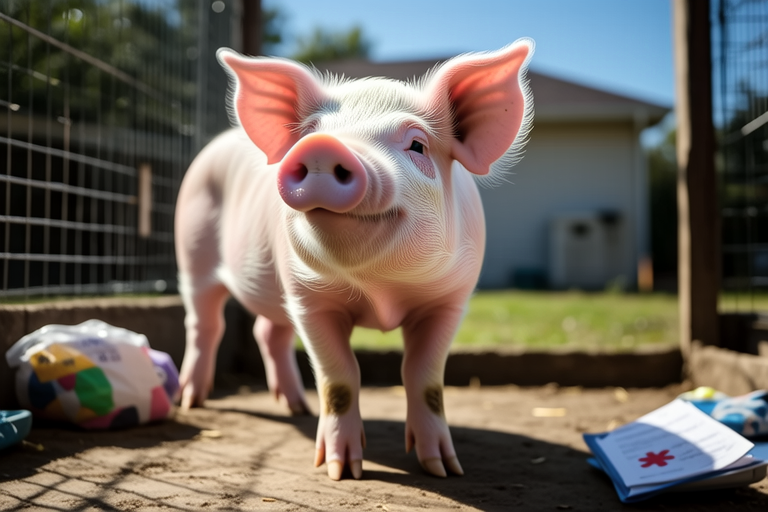
The Hidden Costs of Owning a Mini Pig: Are You Ready?
Mini pigs have become increasingly popular pets in recent years, known for their intelligence and unique personalities. However, many prospective owners underestimate the financial and emotional commitment involved in caring for these animals. This article aims to provide an in-depth look at the hidden costs of owning a mini pig, covering initial setup costs, ongoing expenses, and less obvious financial burdens.
Initial Setup Costs: Housing and Feeding
One of the first considerations when bringing home a mini pig is providing adequate housing. Unlike dogs or cats, mini pigs require spacious living arrangements that accommodate their size and activity levels. A sturdy, weatherproof shelter is essential, especially if you plan to keep your pig outdoors. The cost of building or purchasing a suitable structure can range from $500 to over $3,000 depending on materials and customization.
Feeding a mini pig also comes with significant expenses. These animals have specific dietary needs that must be met to ensure their health and well-being. High-quality pig feed, fruits, vegetables, and supplements can quickly add up. On average, feeding a mini pig costs between $200 and $400 per month, depending on the pig’s size and dietary requirements.
Ongoing Expenses: Vet Care and Specialized Diets
Veterinary care is another major expense associated with owning a mini pig. Regular check-ups, vaccinations, and preventive treatments are necessary to maintain good health. Emergency veterinary services can be particularly costly, with bills often reaching several thousand dollars. Additionally, mini pigs may require specialized medications or treatments for conditions common in the breed, further increasing medical expenses.
Specialized diets are crucial for managing a mini pig’s weight and ensuring proper nutrition. Obesity is a leading cause of health issues in mini pigs, so it’s important to provide a balanced diet rich in fiber and low in sugars. Consulting with a veterinarian or animal nutritionist can help create a customized feeding plan, but this service typically involves additional costs.
Less Obvious Costs: Behavioral Training and Property Modifications
Training a mini pig requires patience, consistency, and sometimes professional assistance. Proper socialization and obedience training can prevent behavioral problems and promote a harmonious relationship between pet and owner. Enrolling in a training class or hiring a professional trainer can be expensive, ranging from $100 to $500 per session or consultation.
Property modifications may also be necessary to accommodate a mini pig’s living space and activities. This could include installing fences, creating outdoor play areas, or even altering indoor spaces to ensure safety and comfort. The cost of these modifications can vary widely based on the scope of work required, potentially adding thousands of dollars to your budget.
Emotional Commitment and Time Required for Proper Care
While the financial aspects of owning a mini pig are substantial, the emotional commitment and time investment are equally important. Mini pigs form strong bonds with their owners and thrive on companionship. They require daily interaction, mental stimulation, and physical exercise to stay healthy and happy.
Owners must also be prepared for the long-term commitment. Mini pigs can live for 15 to 20 years, making them a lifelong responsibility. During this time, they will experience various stages of growth and development, each requiring different levels of attention and care.
Practical Advice for Prospective Owners
Before bringing a mini pig into your home, thoroughly research local laws and regulations regarding exotic pets. Some areas may prohibit or heavily restrict ownership, affecting your ability to adopt or keep a mini pig legally.
Consider visiting pig rescue organizations to learn more about the realities of caring for these animals. Many rescues offer educational programs and resources for potential and current owners, helping to prepare you for the challenges and joys of mini pig ownership.
Finally, join online communities and forums dedicated to mini pig owners. These platforms provide valuable insights, support, and advice from experienced caregivers who can offer guidance based on personal experiences.
In conclusion, while mini pigs can make wonderful companions, they come with significant financial and emotional commitments. By understanding the full spectrum of costs and responsibilities, prospective owners can make informed decisions and ensure a happy, healthy life for their new pet.
