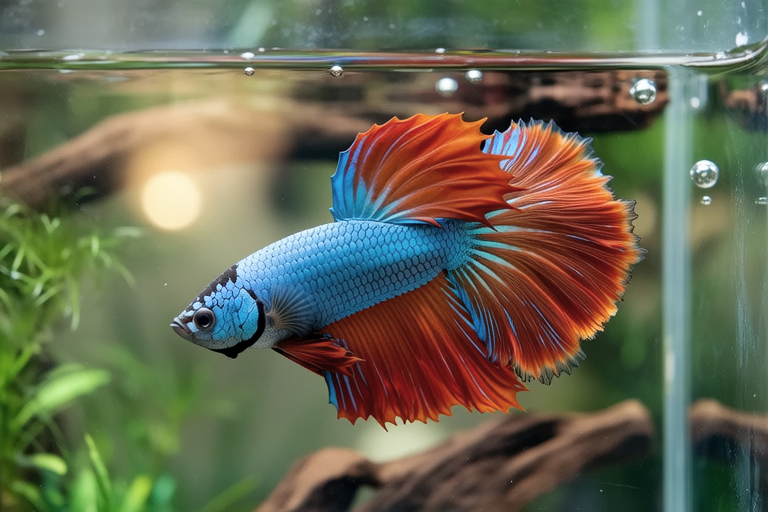
Top Secrets to Keeping Your Betta Happy and Healthy at Home
Welcome to the fascinating world of betta fish care! These vibrant, lively creatures are not only a joy to watch but also a responsibility that comes with ensuring they lead a healthy and happy life. Whether you’re a seasoned aquarist or a first-time pet owner, this guide will provide you with essential tips to keep your betta thriving in its home environment.
Water Quality Maintenance: The Foundation of Betta Health
One of the most critical aspects of keeping a betta healthy is maintaining excellent water quality. Betta fish are particularly sensitive to poor water conditions, which can lead to stress, illness, and even death. To ensure your betta thrives, start by using a dechlorinated water source. Chlorine and chloramines found in tap water can be harmful to fish, so always use a water conditioner to neutralize these chemicals before adding the water to the tank.
Regular water changes are vital to maintaining a clean and healthy environment. Aim for a 25% water change every week, using a siphon to remove waste and debris from the substrate. This process helps prevent the buildup of harmful substances like ammonia, nitrite, and nitrate, which can be toxic to your betta. Additionally, consider using a reliable aquarium filter to maintain water clarity and reduce the frequency of water changes. A good filter will help keep the water free of debris and harmful bacteria.
Suitable Tank Size and Temperature Range
Betta fish require adequate space to swim and explore. While bettas are often sold in small containers, they need a larger tank to thrive. A minimum tank size of 5 gallons is recommended for bettas, providing them with enough room to swim freely without feeling cramped. Larger tanks offer more stability in terms of water parameters and allow for a more diverse ecosystem.
The ideal water temperature for bettas ranges between 76°F and 82°F (24°C to 28°C). Bettas are tropical fish and prefer warm waters, so it’s crucial to invest in a reliable heater to maintain consistent temperatures. Avoid placing the tank near windows or doors where drafts could cause temperature fluctuations. Regularly check the temperature with a thermometer to ensure it remains within the optimal range.
Diet Specifics: Fueling Your Betta’s Vitality
A balanced diet is key to maintaining your betta’s health and vibrant colors. Bettas are carnivorous and require a diet rich in protein. High-quality commercial betta pellets or flakes formulated specifically for bettas are an excellent staple food. These foods are designed to meet the nutritional needs of bettas and come in various sizes to accommodate different feeding preferences.
In addition to pellets and flakes, it’s beneficial to supplement your betta’s diet with live or frozen foods such as brine shrimp, daphnia, and bloodworms. These treats not only provide essential nutrients but also stimulate natural hunting behaviors. However, moderation is key—too many live or frozen foods can lead to obesity or digestive issues. Feed your betta small portions twice daily, ensuring they consume all the food within a few minutes. Overfeeding can cause uneaten food to decompose, leading to poor water quality.
The Importance of Tank Decorations for Hiding and Resting
Tank decorations play a significant role in creating a comfortable and stimulating environment for your betta. Bettas are naturally territorial and need places to hide and rest. Incorporate plenty of plants, caves, and driftwood into the tank to provide hiding spots and resting areas. Live or silk plants are great options as they mimic the betta’s natural habitat and provide oxygenation to the water. Ensure any decorations are smooth and free from sharp edges to prevent injuries.
Bettas are known for their elaborate fins, and these can become damaged if they rub against rough surfaces. Floating plants or artificial plants with soft leaves can help protect your betta’s delicate fins while offering shade and a sense of security. Consider adding a few floating plants to the surface of the water, as bettas often enjoy swimming near the top.
Common Mistakes to Avoid
Setting up and maintaining a betta’s habitat can sometimes be challenging, especially for new owners. Here are some common mistakes to avoid:
- Overcrowding: Avoid keeping multiple bettas in one tank, as they are aggressive and territorial. Each betta requires its own space to feel comfortable.
- Improper Filtration: Overfiltering can cause excessive water flow, stressing the betta. Choose a filter that maintains water quality without creating strong currents.
- Incorrect Feeding Habits: Overfeeding can lead to poor water quality and health issues. Stick to a regular feeding schedule and monitor your betta’s consumption.
- Ignoring Water Parameters: Regular testing of water parameters like pH, ammonia, nitrite, and nitrate is essential. Invest in a test kit to monitor these levels and make adjustments as needed.
Understanding Betta Behavior
Bettas are curious and active fish, displaying a range of behaviors that can indicate their well-being. They are known for their vibrant colors and flowing fins, which can vary based on their mood and health. A healthy betta will swim actively around the tank, showing interest in its surroundings and exploring new objects.
Signs of a stressed or unhealthy betta include lethargy, loss of appetite, dull or faded colors, and abnormal swimming patterns. If you notice any of these signs, it’s essential to investigate potential causes, such as poor water quality, inadequate diet, or lack of stimulation. Addressing these issues promptly can prevent further health complications.
Ensuring Comfort and Stimulation
To keep your betta entertained and mentally stimulated, consider introducing interactive toys or floating devices. These can include ping pong balls or small, safe objects that encourage exploration and play. Rotate these items periodically to keep the environment fresh and exciting.
Additionally, consider the lighting in your tank. Bettas appreciate a consistent light cycle, typically 8-12 hours of light per day. Use a timer to automate the lights, simulating natural day-night cycles. Excessive exposure to light can stress bettas, so avoid placing the tank in direct sunlight or under bright overhead lights.
Conclusion
By following these tips and understanding the specific needs of your betta, you can create a thriving and enjoyable environment for your aquatic companion. Regular maintenance, a balanced diet, and thoughtful tank setup are key to ensuring your betta remains healthy and vibrant. Remember, each betta is unique, so take time to observe their behavior and adjust their care accordingly. With love and attention, your betta will bring years of joy and beauty to your home.
