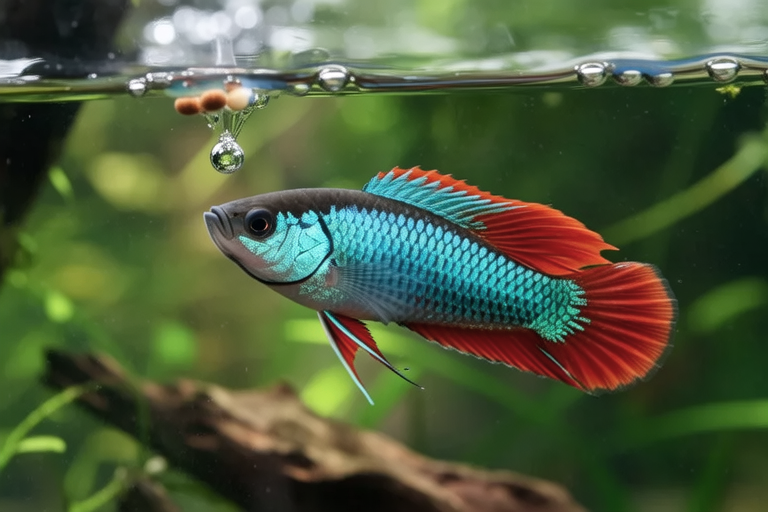
Mastering the Art of Feeding: A Complete Rajah Cichlid Diet Plan
Rajah Cichlids, native to Lake Malawi in East Africa, are a popular choice among aquarists due to their vibrant colors and fascinating behaviors. Understanding their dietary needs is crucial for maintaining their health and longevity. This comprehensive guide will walk you through the essentials of feeding Rajah Cichlids, from their natural habitat and feeding habits to creating a balanced diet plan that includes both commercial and home-prepared food options.
The Natural Habitat and Feeding Habits of Rajah Cichlids
Native to the rocky shores of Lake Malawi, Rajah Cichlids thrive in environments rich in algae, crustaceans, and small aquatic insects. In the wild, they are opportunistic feeders, consuming a variety of foods based on availability. Their diet primarily consists of algae, zooplankton, and small invertebrates, which provide essential nutrients for their growth and reproduction.
In captivity, it is important to replicate these conditions as closely as possible. The right diet can significantly enhance the coloration, activity level, and overall health of your Rajah Cichlids. A well-balanced diet not only supports their physical well-being but also contributes to their longevity, making it a critical aspect of their care.
The Importance of a Balanced Diet for Rajah Cichlids
A balanced diet is crucial for the health and longevity of Rajah Cichlids. Just like humans, fish require a variety of nutrients to thrive. Essential nutrients include proteins, fats, carbohydrates, vitamins, and minerals. These nutrients support various bodily functions such as muscle development, immune system function, and energy production.
Proteins are particularly important for Rajah Cichlids, as they are used to build and repair tissues. Fats are necessary for proper brain and eye function, while carbohydrates provide energy. Vitamins and minerals are required for a range of physiological processes, including bone formation and blood clotting.
A balanced diet ensures that Rajah Cichlids receive all the necessary nutrients, preventing deficiencies that can lead to health problems such as stunted growth, weakened immune systems, and reproductive issues.
Suitable Foods for Rajah Cichlids
Commercial Foods
- Cichlid Pellets: High-quality cichlid pellets are a convenient option for providing a balanced diet. They are formulated to meet the nutritional requirements of cichlids, offering a mix of proteins, fats, and carbohydrates. Look for pellets that are specifically designed for African cichlids, as they tend to have higher protein levels.
- Flake Foods: Flake foods are another popular choice for cichlids. While not as nutritious as pellets, they can be a good supplement when used in conjunction with other food types. Choose flakes that contain high-quality ingredients and are fortified with vitamins and minerals.
- Freeze-Dried Foods: Freeze-dried foods, such as bloodworms and brine shrimp, are great for adding variety to your Rajah Cichlid’s diet. These foods are easy to digest and can help stimulate feeding responses. However, they should be used sparingly, as they may lack some essential nutrients.
- Frozen Foods: Frozen foods, including mysis shrimp and daphnia, offer similar benefits to freeze-dried foods but are generally more nutritious. They should be thawed before feeding and can be a valuable addition to a varied diet.
Home-Prepared Foods
- Vegetables: Vegetables such as spinach, zucchini, and peas are excellent sources of fiber and can help maintain digestive health. They should be blanched or steamed before being fed to your fish to make them easier to digest.
- Algae Wafers: Algae wafers are a great way to provide Rajah Cichlids with the same type of food they would eat in the wild. They are rich in plant-based proteins and can help keep the fish active and healthy.
- Live Foods: Live foods, such as brine shrimp and black worms, can be a treat for Rajah Cichlids. They are highly nutritious and can help stimulate breeding behavior. However, they should be used cautiously, as they can introduce pathogens into the aquarium.
Tips on Portion Control and Frequency of Feeding
Overfeeding is one of the most common mistakes made by aquarists. It can lead to water quality issues, obesity, and shortened lifespans for your fish. As a general rule, feed your Rajah Cichlids twice daily, offering an amount that they can consume within a few minutes. Remove any uneaten food after this time to prevent contamination of the tank.
It is important to monitor the condition of your fish and adjust the quantity of food accordingly. If you notice signs of bloating or lethargy, reduce the portion size or frequency of feeding. Conversely, if your fish appear underfed or show signs of stress, consider increasing the amount of food provided.
Common Feeding Mistakes and Their Consequences
Several common feeding mistakes can negatively impact the health of your Rajah Cichlids. One of the most significant is overfeeding, which can lead to poor water quality and increased stress on the fish. Another mistake is feeding the wrong type of food, which can result in nutritional imbalances and health problems.
Feeding at irregular intervals can also cause stress and disrupt the fish’s circadian rhythms. Additionally, failing to provide a varied diet can lead to deficiencies in essential nutrients, compromising the health and longevity of your fish.
Monitoring Health Through Eating Habits and Adjusting the Diet
Regularly observing your Rajah Cichlids’ eating habits can provide valuable insights into their health and well-being. Healthy fish should display consistent interest in food and consume it eagerly. If you notice changes in appetite or feeding behavior, it could indicate underlying health issues that need attention.
Adjustments to the diet may be necessary based on the observations. For example, if your fish are showing signs of malnutrition or digestive issues, you may need to increase the proportion of vegetables or switch to a higher-protein diet. Regular water changes and maintenance of optimal water parameters are also crucial for maintaining the health of your fish.
By following the guidelines outlined in this article, you can ensure that your Rajah Cichlids receive a balanced and nutritious diet that supports their health and longevity. Whether you are a novice aquarist or an experienced enthusiast, understanding the dietary needs of your fish is a key component of successful fishkeeping.
