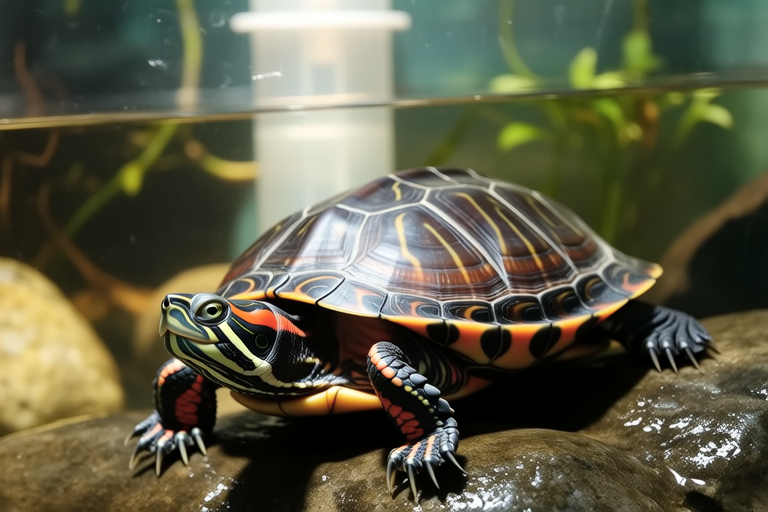
Red-eared Slider Myths Debunked: What Every Owner Needs to Know
The red-eared slider (Trachemys scripta elegans) is one of the most popular pet turtles in the world. Their striking appearance, with distinctive red stripes behind their eyes, makes them an attractive choice for many reptile enthusiasts. However, owning a red-eared slider comes with specific responsibilities that are often misunderstood. This article aims to debunk some common myths about red-eared sliders, providing scientifically accurate information to help current and prospective owners ensure the best care for their pets.
Introduction to Red-eared Sliders
Red-eared sliders are semi-aquatic turtles native to North America. They thrive in freshwater environments such as ponds, lakes, and slow-moving rivers. As pets, they require spacious enclosures that mimic their natural habitats, including both water and land areas. These turtles can live for decades if properly cared for, making them long-term companions. However, misconceptions about their care abound, leading to suboptimal living conditions for many turtles.
Myth 1: Red-eared Sliders Only Need a Small Tank
Myth: Many people believe that red-eared sliders can be comfortably housed in small tanks or aquariums.
Facts: Red-eared sliders grow rapidly during their first few years, reaching lengths of up to 30 cm (12 inches) as adults. A single adult requires at least 45 gallons of water for swimming, along with additional space for basking. Juveniles need proportionally smaller but still adequate spaces. Insufficient space leads to stress, stunted growth, and poor health. Providing ample room allows your turtle to swim freely and bask under UVB lighting, which is essential for calcium absorption and overall well-being.
Myth 2: Red-eared Sliders Can Eat Anything
Myth: Some owners think that red-eared sliders can eat any food available, including human snacks like bread or chips.
Facts: A balanced diet is crucial for maintaining good health. Red-eared sliders should primarily consume commercial turtle pellets designed for aquatic species. Supplement this with fresh vegetables such as romaine lettuce, kale, and carrots, along with occasional treats like earthworms or wax worms. Avoid feeding them processed foods or sweets, as these can cause obesity and metabolic bone disease. Feeding them correctly ensures proper nutrition and helps prevent common health issues.
Myth 3: Red-eared Sliders Don’t Need UVB Lighting
Myth: There’s a widespread belief that red-eared sliders don’t require UVB lighting because they spend much time underwater.
Facts: UVB light is vital for synthesizing vitamin D3, which aids in calcium absorption necessary for shell and bone development. Without adequate exposure to UVB, turtles may develop metabolic bone disease, characterized by soft shells and weakened bones. Providing a basking area equipped with full-spectrum UVB lamps mimics natural sunlight and supports healthy growth. Regular maintenance of these lights is also important; replace bulbs every six months to ensure effectiveness.
Myth 4: Red-eared Sliders Have Short Lifespans
Myth: Some owners mistakenly assume that red-eared sliders have short lifespans compared to other pets.
Facts: With proper care, red-eared sliders can live between 20 to 40 years. Factors influencing longevity include diet, habitat quality, and regular veterinary checkups. Regular visits to a veterinarian specializing in reptiles can catch potential health problems early and improve longevity. Ensuring optimal living conditions contributes significantly to their long life expectancy.
Tips for Proper Turtle Care
- Water Quality: Maintain clean water through regular filtration and partial water changes. Use dechlorinated water to avoid harmful chemicals.
- Basking Area: Create a dry, warm spot where your turtle can fully extend its body out of the water. This encourages thermoregulation and prevents respiratory infections.
- Dietary Variety: Offer a varied diet rich in vitamins and minerals. Rotate different types of vegetables and occasional protein sources to keep meals interesting and nutritious.
Health Indicators to Watch For
Monitoring your turtle’s behavior and physical condition regularly helps detect potential issues early. Look out for signs like lethargy, loss of appetite, swollen eyes, or discolored patches on the skin or shell. Any unusual symptoms warrant immediate consultation with a reptile veterinarian.
Creating a Suitable Living Environment
A well-designed enclosure enhances your turtle’s quality of life. Besides ensuring sufficient size, consider temperature gradients within the tank. One end should be warmer than the other, allowing your turtle to regulate its body temperature effectively. Additionally, provide hiding spots and floating logs to stimulate natural behaviors.
Conclusion
Owning a red-eared slider involves commitment and understanding of their unique needs. By dispelling common myths and adhering to best practices, you can provide a happy and healthy environment for your pet. Responsible pet ownership means being informed and proactive about your turtle’s welfare. Resources like books, community forums, and local reptile clubs offer valuable insights and support throughout your journey as a turtle owner.
We encourage all potential owners to research thoroughly before bringing home a red-eared slider. With the right knowledge and dedication, these fascinating creatures make wonderful companions capable of providing years of enjoyment.
